Neighborhood guides · Condesa and Roma
Day of the Dead from Roma and Condesa: Parades, Altars and Pan de Muerto (2026)
October 15, 2026
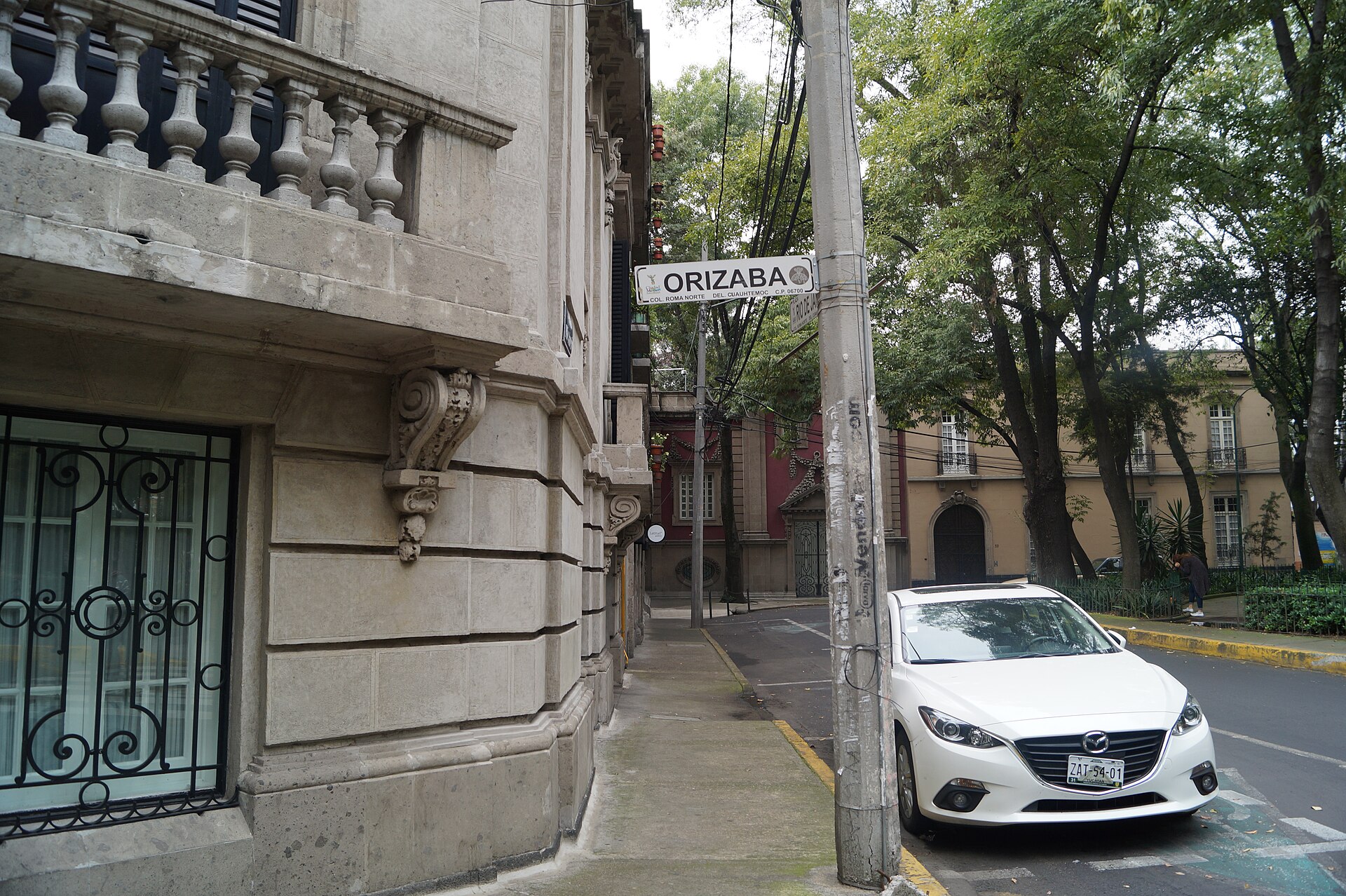
If there’s one season to be in Mexico City, this is it. From mid-October to November 2, the city fills with orange flowers, cut-paper banners and the smell of fresh bread. And living in Roma or Condesa has a huge advantage: the big parades run along Paseo de la Reforma, a short walk from your door.
This is the guide we give anyone who arrives at one of our apartments this time of year.
What’s being celebrated, in two lines
Day of the Dead is when Mexican families welcome back the loved ones who have passed away. They set up an ofrenda, an altar with the person’s photo, the food and drink they loved, candles, cempasúchil (Mexican marigold), papel picado and pan de muerto. The main days are November 1, dedicated to children, and November 2, to adults.
It’s a joyful celebration, but also an intimate one. The altars in homes, schools and shops belong to families: admiring them is welcome, and it’s always better to ask before taking photos.
The 2026 parades, a walk from the neighborhood
The season’s three big processions all run along Paseo de la Reforma. From Condesa or Roma Norte you can walk there in fifteen to twenty minutes, with no parking or traffic to worry about.
- Monumental Alebrijes Parade: Saturday, October 17. Organized by the Museo de Arte Popular, it leaves from the Zócalo toward Reforma. Alebrijes are fantastical, brightly painted creatures from Mexican folk art. After the parade, the giant alebrijes stay on display along Reforma, so you can go see them at your own pace on another day.
- Mega Catrina Procession: Sunday, October 25, 6:00 p.m. It leaves from the Angel of Independence toward the Zócalo. Hundreds of people dressed and made up as catrinas, the elegant skeleton lady of Mexican tradition. Arrive early to get a good spot.
- Day of the Dead Parade: Saturday, October 31, 2:00 p.m. It starts at the Diana Cazadora roundabout, runs along Reforma and ends at the Zócalo. It’s free and no ticket is needed.
The Zócalo also hosts a monumental altar, and UNAM, Mexico’s national university, sets up its traditional mega-altar. Their dates change every year, so check the city’s official events calendar before you go.
Tips for parade days: head out early, bring water and a light jacket because it cools down in the evening, and keep in mind that several streets near Reforma close. Walking or biking is always faster than driving on those days.
Pan de muerto in Roma and Condesa
Pan de muerto is a soft, sweet bread decorated with “bones” made of dough and dusted with sugar. Neighborhood bakeries start selling it in September, and trying several is part of the ritual. Two local classics:
- Rosetta (Colima 179, Roma Norte). One of the city’s best-known bakeries, it makes pan de muerto every season, from the traditional loaf to versions with seasonal ingredients.
- Pastelería La Suiza (facing Parque España, Condesa). Baking since 1942, its filled pan de muerto is a tradition for many families in the neighborhood.
Almost every corner bakery has its own version, and that’s often the best surprise. Varieties and hours change every year, so check their social media before you go.
Set up your own altar
If you’re renting here, setting up a small ofrenda in your apartment is a beautiful way to take part. The basics:
- Cempasúchil. The orange marigold whose color and scent, according to tradition, guide the souls home. Mercado de Jamaica, the city’s great flower market, overflows with marigolds this time of year, and you’ll also find them in neighborhood markets during the season.
- Candles, papel picado and sugar skulls. Available at the same markets.
- A photo and something your loved one enjoyed. Their favorite food, a drink, an object. That’s what makes each altar unique.
- Pan de muerto and water. To welcome the visitors after their long journey.
A plan for the weekend of October 31
If you’re in town that weekend, here’s what we’d do:
- Saturday 31, morning: pan de muerto and coffee in the neighborhood, and a lap around Parque México.
- Saturday 31, afternoon: walk to Reforma for the 2:00 p.m. Day of the Dead Parade.
- Sunday 1: take your time visiting the city’s altars and the alebrijes still on display along Reforma.
- Monday 2: the main day for remembering adults, perfect for a quiet meal and for visiting the altar you set up at home.
FAQ
Do the parades cost anything? No. They’re free and held on public streets; no ticket needed.
Can I bring kids? Yes, they’re very family-friendly. Just arrive early to find a spot where they can see, and agree on a meeting point in case you get separated in the crowd.
Is Roma or Condesa a good place to stay for the season? It’s one of the best locations: you’re walking distance from Reforma and a short ride from the Zócalo, and you come back to a calm neighborhood after the crowds. For the same reason, October and November are high-demand months, so it’s worth booking ahead.
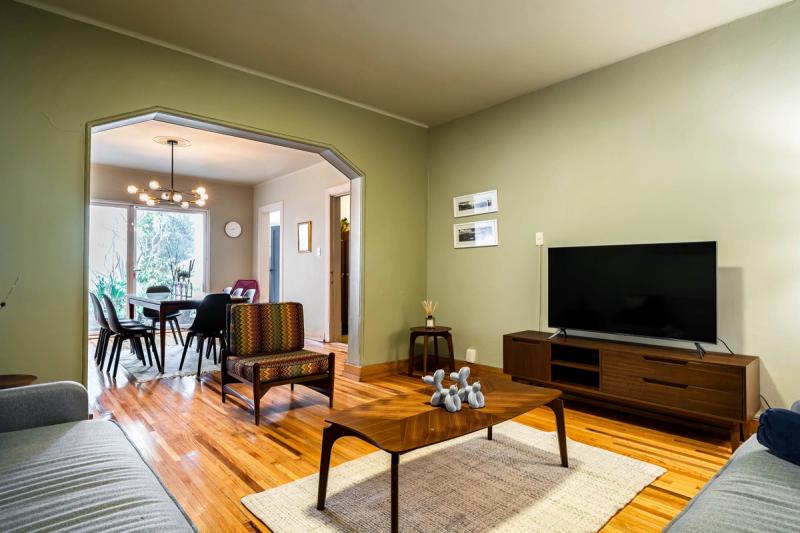
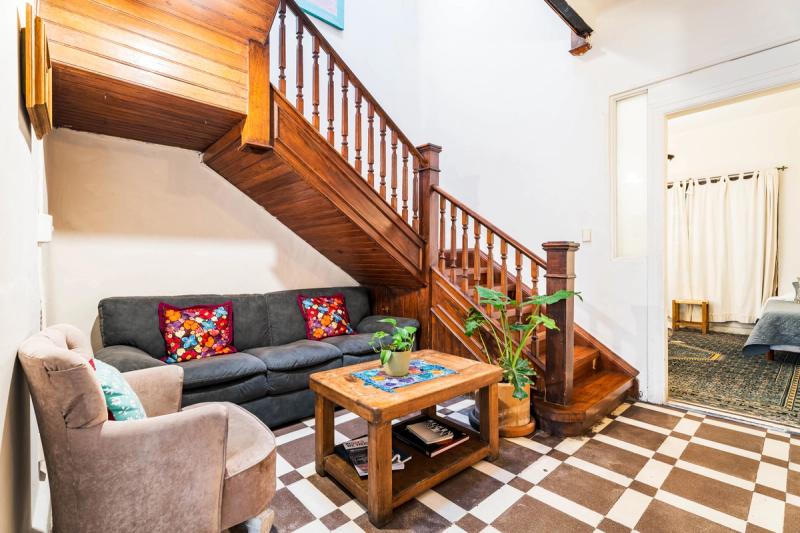
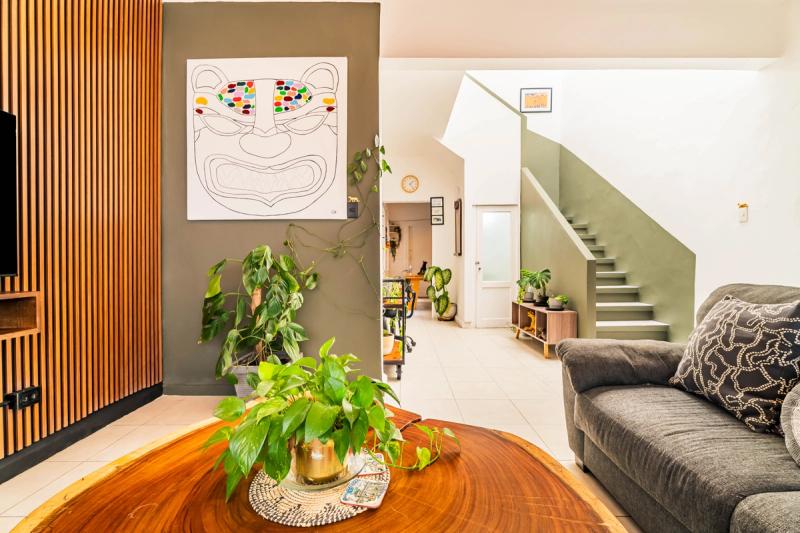
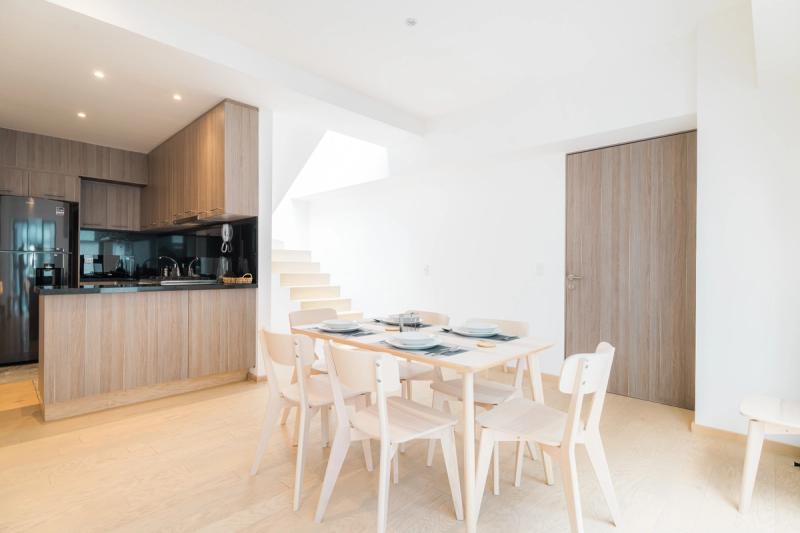
At Living CDMX we rent furnished apartments and houses in Condesa and Roma, with utilities and cleaning included, by the week or by the month. See what’s available or message us on WhatsApp and we’ll help you find a place to experience the season like a local.
2026 parade dates per official announcements and Mexico City press; they may change, so check the official calendar before you go. Cover photo: Wikimedia Commons, CC BY-SA license.